
In New Zealand, swimming pools range from around $5,000 for a small above-ground pool to $200,000 or more for a custom concrete in-ground pool. Above-ground pools run $5,000 to $20,000, fibreglass $20,000 to $60,000, and concrete from $50,000 upward.
Swimming pools tend to be viewed as luxurious items and in a lot of ways they are: you need enough space on your property, enough money for installation and ongoing maintenance, and enough free time to enjoy the results.
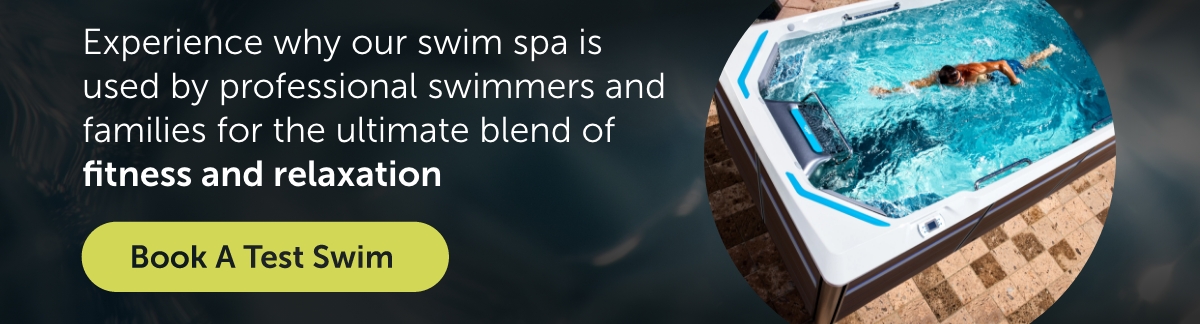
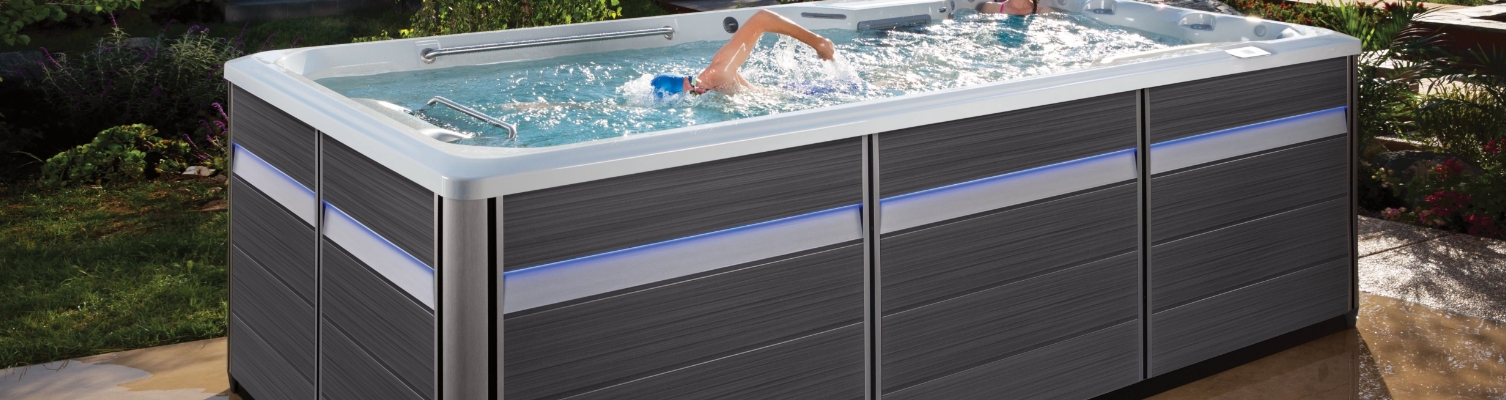
A more cost-effective option might be a swim spa – a spa pool capable of delivering a swim-in-place experience ideal for anyone looking to capitalise on aquatic fitness.

In this guide we’ll walk through key factors that contribute to the cost of a swimming pool, so you can make a more informed decision for your investment.
What factors affect swimming pool cost?
Six things drive the price: pool size, pool type, materials, features, installation difficulty, and ongoing running costs. Size and materials usually have the biggest impact. Let's take a closer look at each one.
1. Pool size
The bigger the pool, the bigger the bill. Large pools require more materials, take longer to build and use more chemicals than small pools.
2. Pool type
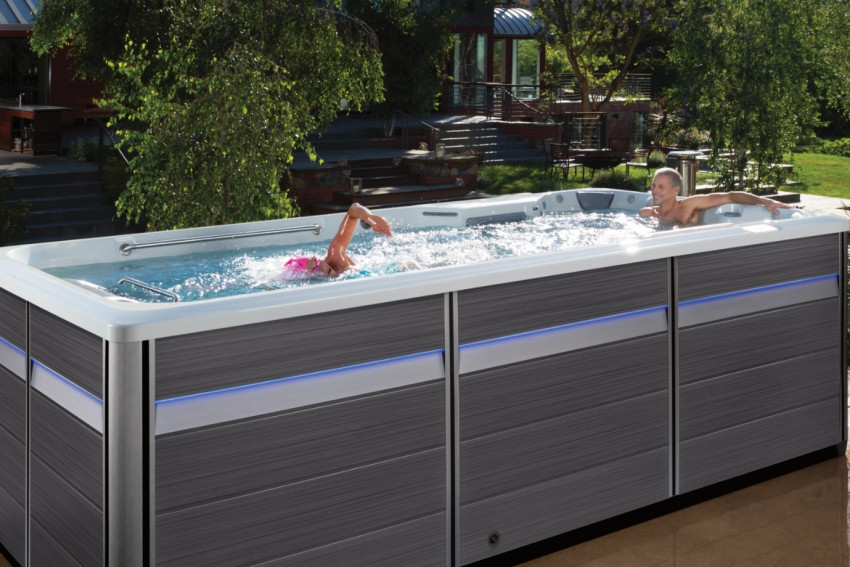
Above-ground pools tend to be more affordable than in-ground pools as they don’t require excavation. Self-contained and truly portable options, like Endless Pools swim spas, don’t even need to be constructed – you can just position it, fill it and swim!
3. Materials
What will your swimming pool be made from? Vinyl-lined pools can be quite affordable upfront, but the liner may need to be changed periodically. Fibreglass pools are a little more durable and expensive. Concrete pools tend to be the most expensive option but are also the most customisable – you can create any shape and size you wish.
4. Features and accessories
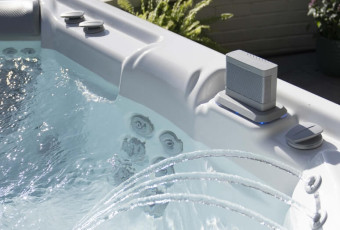
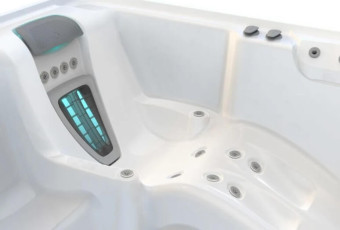
Features and accessories like heaters, slides, lighting systems and waterfalls let you customise your pool to your needs, but they can also increase the total price dramatically – unless you choose an Endless Pools swim spa, which feature heaters, hydromassage seating, water features and underwater LEDs as standard.
5. Location and accessibility
The more difficult the installation, the more expensive the installation. If accessibility is limited or the property is on a slope, the cost of delivering, installing or building a pool can be high.
How much does each type of pool cost?
As seen in the factors listed above, the answer to ‘how much does a swimming pool cost?’ is ‘how long is a piece of string?’ Nevertheless, by looking at the general price ranges of different types of swimming pools we can get a sense of what your investment might look like.
| Pool type |
Typical price range (NZD) |
||
|
Above-ground pool |
$5000 to $20,000 |
||
|
Vinyl pools |
$20,000 to $40,000 |
||
|
In-ground pool (vinyl or custom) |
$30,000 to $200,000+ |
||
|
Concrete pool |
$50,000 to $200,000+ |
||
|
Swim spas |
$35,000 to $110,000 |
Does it cost a lot to run a pool?
Yes, running a pool could add roughly $2,000 to $3,000 a year once you include maintenance, energy, insurance and landscaping. A swim spa keeps most of these costs lower. Other expenses to a swimming pool include:
- Pool planning and consent: Engineer certified structure drawings, necessary council approvals and compliance sign off before installation commencement.
- Pool installation costs: Delivery, excavation, plumbing and electrical work can add several thousand dollars to your pool project.
- Pool maintenance costs: Cleaning, water treatment and equipment maintenance cost in the realm of $1000-$2000 a year.
- Pool energy costs: Heaters, pumps, filters, lights and water features need to be powered, which can cost $1000+ per year (less if you have a solar system).
- Pool insurance and permits: These are small upfront costs that can prevent far larger penalty costs.
- Pool landscaping: It’s wise to set aside funds to make your pool area beautiful.
- Budgeting and financing options: If you choose to finance your pool, you’ll pay interest on any loan you choose to take out.
An Endless Pools swim spa can be a great way to minimise the above, as they tend to incur lower costs for most of these expenses. Our guide comparing swim spas vs. pools provides a range of benefits and key differences which will help you decide what is best for you and loved ones.
Key takeaways
- Ongoing costs add roughly $2,000 to $3,000 a year on top of the purchase price.
- Maintenance and energy are the largest running costs, though a cover and efficient gear cut both.
- A portable swim spa tends to run cheaper across most of these ongoing expenses.
How do you estimate your pool budget?
Start with the total cost, not the sticker price, adding installation, running costs and any finance. Then weigh the return, since a pool can add property value and a portable swim spa moves house with you. It's important you determine your budget before you start shopping for your pool to ensure you work within your means. Some things to consider include:
Pool ownership costs and return on investment
Look past the sticker price of the pool to consider the total cost, including ongoing maintenance. You should also consider the return that your investment might generate, as a pool can add genuine value to your property. Alternatively, if you choose a portable swim spa you can take your investment with you!
DIY vs. hiring a professional
While DIY projects can save on labour costs, pool construction demands specialist knowledge, skills and equipment. As such you should be wary of attempting a home job to save some cash, as it could end up costing you more. Swim spas, on the other hand, arrive pre-built, with minimal construction required if your area is ready.
Financing options for pool construction
Another alternative to consider financing the purchase or partial purchase. Hot Spring Spas New Zealand uses Finance Now as their lending partner, who offer flexible and competitively low interest bearing loans.
Key takeaways
- Budget on total cost, adding installation, running costs and finance to the sticker price.
- A pool can add property value, while a portable swim spa is an investment you can take with you.
- Deciding your budget before you shop keeps the search realistic and avoids overspending.

How can you save money on pool costs?
Get at least three quotes, design an efficient layout, maintain the pool well, and choose energy-efficient gear with a cover. A pre-built swim spa avoids most construction costs entirely. More ways to save on costs:
- Research and compare pool contractors: Always obtain at least three quotes from reputable pool companies before going ahead with your project.
- Design an efficient pool layout: Optimise your use of space to minimise construction and material costs. Extra work in the planning stage can save you real money during the construction stage.
- Long-term maintenance strategies: Clean and maintain your pool religiously. This guards against costly repairs and refills, and extends the life of the pool.
- Maximise energy efficiency: Choose the most energy-efficient pool equipment possible, use a cover to minimise heat loss and evaporation, and consider installing a solar system to heat your pool.
Frequently asked questions on swimming pool costs
What is the cheapest type of swimming pool?
An above-ground pool is the most affordable, starting around $5,000. A portable swim spa is another lower-construction option that avoids excavation costs.
How long does it take to install a swimming pool?
A built in-ground pool can take several weeks to a few months, depending on type, site and consent. A swim spa is pre-built, so it can be positioned and filled far more quickly.
Do you need council consent for a pool in New Zealand?
Most permanent pools require building consent and must meet New Zealand pool fencing rules. Check the exact requirements with your local council before you commit.
Do swimming pools add value to a home?
A well-built pool can add appeal and property value, though the return varies by market and upkeep. A portable swim spa is different again, as it can move with you rather than staying with the house.
How much space do you need for a swim spa?
Most backyards have room. Endless Pools swim spas range from the compact R200 at 3.66m long to the E2000 and X2000 at 6.1m, and all sit around 2.26m wide. They need a level, structurally sound base such as a reinforced concrete pad or an engineer-certified deck that can hold the filled weight. That is far less space, and far less groundwork, than a full in-ground pool. See the full swim spa range and dimensions →
Is a swim spa a cheaper alternative to a pool?
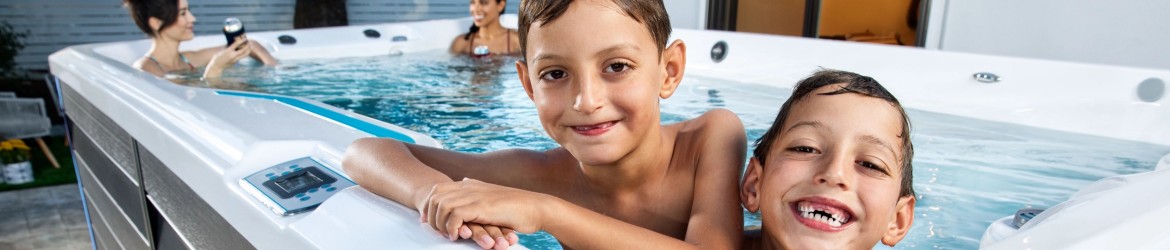
Often yes. A swim spa arrives pre-built, fits almost any backyard, and costs less to install and run than most in-ground pools, while still offering a swim-in-place workout. Because of its compact footprint, it means lower installation and ongoing costs. A truly stunning swim-in-place experience with hydromassage seating on the side.
An Endless Pool swim spa is the evolution of the backyard swimming pool. Ideal for fitness, relaxation or fun, these versatile machines can also be cheaper and easier to install than a traditional pool, which is why so many Kiwis have chosen to take the (perfectly toasty) plunge.
Ready to feel the Endless Pools difference? Book in your test soak today!