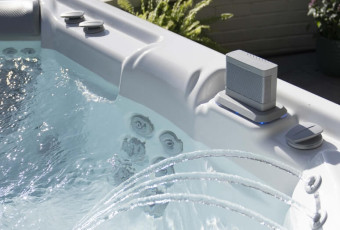
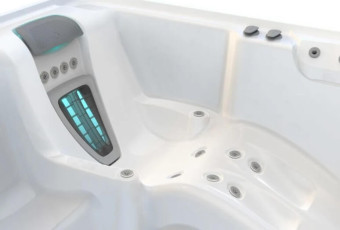
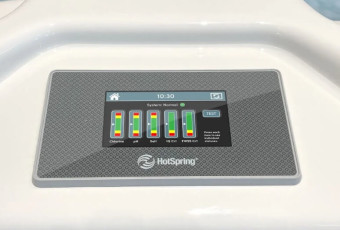


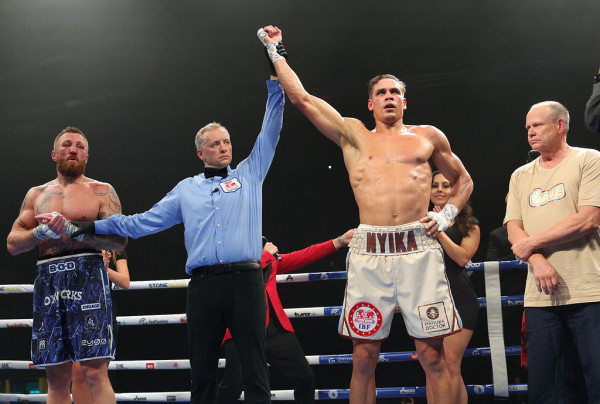
On Saturday 8 August 2026, David Nyika lit up Auckland's Eventfinda Stadium in a card promoted by Duco Events, and Hot Spring was proud to be part of the night.
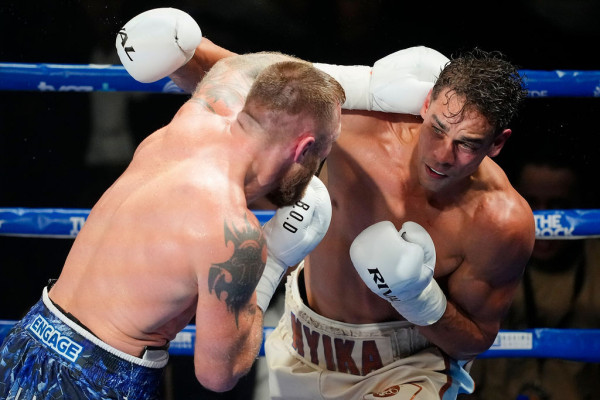
In an IBF cruiserweight world title eliminator, Nyika met fellow Waikato-born cruiserweight Floyd Masson over twelve rounds. Masson pushed the pace early, but Nyika settled into his boxing, mixed his targets and used his range to earn a unanimous decision. The win moved the former Olympian to 13 wins from 14 fights and set up a mandatory shot at the vacant IBF world cruiserweight title.
A performance like that from Nyika is built over months of training, and just as importantly, months of recovery. The work an athlete does between sessions is what lets them train harder, more often, with less breakdown.
Two of Nyika’s most trusted tools in his recovery arsenal are the cold plunge and sauna. Here is why they work, what the science says, and how you can build the same ritual into your own backyard.
How important is recovery in an athlete's training?
For a professional athlete, recovery is not an optional extra. It is where the hard training actually pays off. Elite training breaks the body down on purpose. Hard rounds create micro-damage in muscle, inflammation, and fatigue that limits the next session. Smart recovery clears that backlog faster, so the athlete can return to work sharper and sooner.
Cold and heat are two of the oldest and best-studied ways to do exactly that. Used together, they form what is known as contrast therapy, where the effect is greater than either on its own. It is a method long relied on by elite athletes, and increasingly by everyday people chasing the same recovery and wellness advantages at home.
If I was going to do anything, it would be the cold plunge. I think this is magic.
— David Nyika
Why do athletes use the cold plunge for recovery?
Because it does far more than deliver a jolt of energy. For an athlete, a regular dip supports both physical recovery and mental sharpness, the two things that decide performance on the day.
On the physical side, cold water immersion is one of the most widely used recovery methods in professional sport. A Cochrane systematic study found evidence that immersion in water below 15°C after exercise can reduce muscle soreness compared with rest alone. The cold constricts blood vessels, then flushes fresh, oxygen-rich blood back through the muscles as you warm, helping clear the metabolic waste that builds up during hard training.
The mental edge is just as real. In one landmark physiological study, immersion in 14°C water raised noradrenaline by around 530% and dopamine by around 250%, with effects lasting well beyond the session. Those are the neurochemicals behind focus, drive and mood. Separate brain-imaging research found that a short cold-water immersion left people feeling more alert, active and inspired, and less distressed.
For a fighter, that combination is gold: a body that recovers faster and a mind that stays composed under pressure. It is the part of the routine Nyika rates above all others. "I think this is probably the most important part," he says of the plunge. "It's the shock when you first get in."
Recovery that is always ready with Vigor™
The catch with an old-fashioned ice bath is the ice run. Sourcing and hauling ice hours in advance is the friction that stops the habit from sticking.
The Vigor™ Cold Plunge takes the chore away. It holds a steady, precise temperature from 4°C to 27°C, so the water is ready the moment you are. Built-in UV-C sanitisation and quiet SilentFlo 5000® circulation keep it clean in the background, and it runs from a standard household outlet for around the cost of a large fridge.
What does a sauna do for recovery?
If the cold sharpens you, the heat rebuilds you. Deep, enveloping warmth boosts circulation, eases stiff joints and supports the deep recovery that keeps athletes in the game.
The evidence here is compelling. Decades of Finnish research, summarised in a Mayo Clinic Proceedings, links regular sauna bathing to a lower risk of cardiovascular disease, alongside benefits for blood pressure and general wellbeing. Heat therapy essentially mimics some of the cardiovascular effects of moderate exercise, without adding load to already-tired muscles. It is a benefit Nyika points to himself. "It's meant to be really good for decreasing the risk of heart attacks as well," he notes, adding that you want to sit in the heat for around 45 minutes to get the most from it.
Recovery without the maintenance, with Tylo
Heat therapy only helps if the sauna is easy to use, and a traditional sauna often is not. You wait for it to heat, then you maintain it.
Half an hour of warm-up before every session is time Nyika simply does not have. Miss that window on a busy day and the session gets skipped, and a skipped session is lost recovery.
The Tylo Kiruna™ is built for exactly this. IntelliAir™ heats the room up to 50% faster than a standard heater, and Nyika sets it going from the Tylo app so it is ready the moment he is. He can have the sauna warming while he is in the cold plunge, then step straight from cold to heat and back again, with no waiting and no wasted minutes between rounds of his routine.
How to build the routine with contrast therapy
David Nyika's recovery comes down to three things done consistently: the cold plunge, the sauna and the spa, worked together in a simple contrast rhythm. As he puts it, "I'll do two minutes cold, two minutes hot, five times." You can build the same routine at home.
Here is how to start.
- Pick your schedule - Post-training is ideal for recovery. Mornings suit a wake-up reset, and an evening session can help you wind down.
- Warm up first - Start in the sauna for 10 to 15 minutes, until you are properly warm and loose.
- Then plunge - Move to the cold for 1 to 2 minutes. Keep early sessions short and build your tolerance over time.
- Repeat the cycle - Alternate heat and cold two or three times, finishing on the cold. Adjust to how you feel.
- Make it a ritual - Pair your sessions with breathwork, stretching or a few quiet minutes off your phone.
- Track how you feel - Note changes in mood, sleep, energy and soreness. Progress you can see keeps the habit alive.
Follow these steps, and over a few weeks your recovery routine turns from an obligation into something you look forward to.
Recover like a fighter
You do not need to be stepping into the ring to train, recover and feel like an athlete. Whether you are chasing peak performance, rehabilitating an injury, or simply want to feel better every day, the same tools that support fight-night recovery can work in the comfort of your own home.
Together, a Vigor™ Cold Plunge and a Tylo sauna give you a complete recovery ritual: the cold to reset and sharpen, the heat to rebuild and restore. With 75 years of Swedish sauna engineering behind Tylo, it is a ritual built to last.
Ready to experience the difference? Find your local Hot Spring dealer today.